
Scientific Perspectives on Nutrition and Body Composition
Understanding the biological foundations of nutrition and metabolic processes
Fundamentals of Human Energy Homeostasis
Energy homeostasis represents the biological equilibrium between energy intake and energy expenditure. The human body maintains this balance through complex physiological mechanisms that regulate hunger signals, metabolic rate, and nutrient utilisation.
The hypothalamus, a key brain region, integrates multiple signals including hormones like leptin and ghrelin, nutrient availability, and energy stores. This intricate system helps maintain relatively stable body weight over extended periods, though individual variation is substantial.
Understanding these core mechanisms provides foundational knowledge for comprehending how the body processes nutrients and maintains physiological stability.

Physiological Functions of Primary Macronutrients
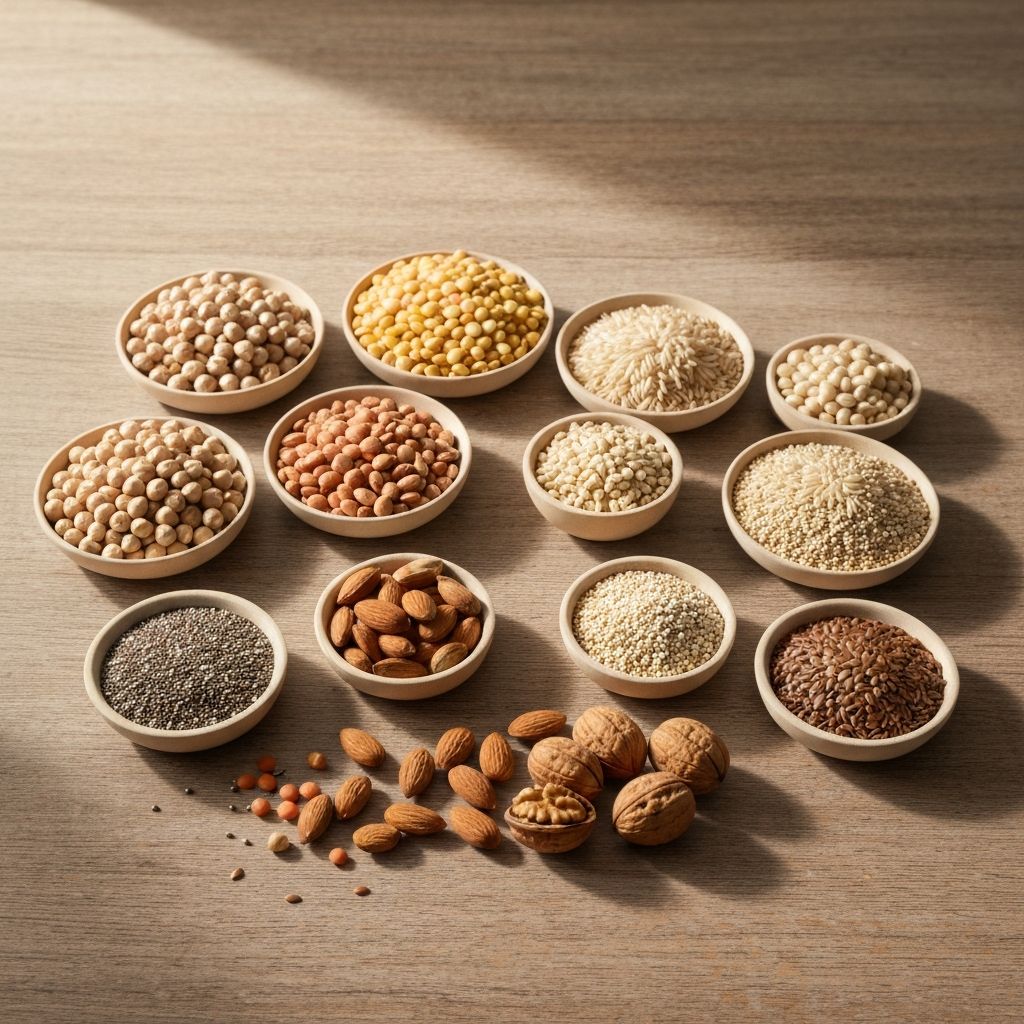
Proteins serve as building blocks for muscle tissue, enzymes, and numerous biological structures. They play roles in immune function, hormone production, and nutrient transport throughout the body.
Carbohydrates provide readily available energy for cellular processes and physical activity. They help regulate blood glucose levels and support brain function, which relies substantially on glucose metabolism.
Fats function in hormone production, vitamin absorption, cellular membrane integrity, and energy storage. Essential fatty acids cannot be synthesised by the body and must be obtained through diet.
Each macronutrient category contains diverse subtypes with varying metabolic fates and physiological implications. Adequate intake of all three supports optimal bodily function across multiple systems.
Everyday Factors Affecting Body Composition
Body composition—the ratio of muscle, fat, bone, and water—is influenced by numerous interconnected factors:
Physical Activity Patterns
Regular movement influences muscle maintenance and energy expenditure. Different forms of activity—resistance training, cardiovascular exercise, and daily movement—have varying physiological impacts on tissue composition.
Nutrient Intake
The quantity and quality of consumed food affects energy balance and nutrient availability for bodily processes. Dietary patterns established over time influence metabolic function and tissue maintenance.
Sleep and Recovery
Adequate sleep supports hormone regulation, recovery processes, and metabolic function. Sleep deprivation affects hunger hormones and glucose metabolism, influencing overall energy balance.
Stress and External Influences
Chronic stress affects cortisol levels and metabolic processes. Environmental factors, seasonal variation, and lifestyle patterns contribute to physiological responses and composition dynamics.
Endocrine Function
Thyroid hormones, insulin sensitivity, and other endocrine outputs influence metabolic rate and nutrient utilisation. Individual variation in endocrine function creates differences in energy processing.
Age and Genetics
Metabolic processes change across the lifespan. Genetic factors influence baseline metabolism, muscle capacity, and predisposition to different physiological responses.
Dispelling Frequent Misconceptions in Nutrition

Nutrition science involves complexity and individual variability that resists simple universal prescriptions. Several widespread misconceptions distort public understanding:
Myth: Specific foods "burn fat" — While all foods require energy for digestion, no food category inherently burns stored fat beyond the normal thermic effect. Energy balance determines composition changes, not particular foods.
Myth: Carbohydrates cause weight gain — Body composition depends on overall energy intake relative to expenditure, not macronutrient composition alone. Carbohydrate-containing foods can fit into any energy balance scenario.
Myth: Meal timing critically controls outcomes — While timing may affect immediate energy availability and exercise performance, total daily intake remains the primary determinant of energy balance.
These misconceptions persist because nutrition involves genuine complexity, individual differences, and the challenge of separating correlation from causation in observational research.
Explore In-Depth Topics
Dive deeper into specific nutrition science subjects with our detailed articles:


Frequently Asked Questions
Educational Content Only
This website provides factual, evidence-based educational content on nutrition and body composition science. No medical services are offered. No promises of specific health outcomes are made. Information presented is for educational purposes only and does not constitute professional medical or nutritional advice. Always consult with qualified healthcare professionals for personalised guidance.